Your First Ecology Survey Season: What’s It Really Like?
What’s it like to start your career in ecological consultancy? We asked some of our Seasonal Assistant Ecologists to reflect on their first survey season at Elton Ecology, from memorable wildlife encounters to the challenges of learning on the job.
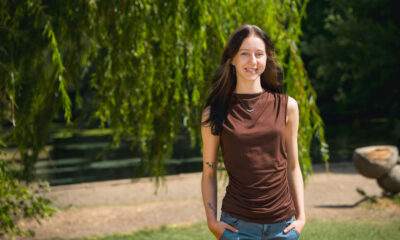
Next, Ash shares her experience, what she’s learned and what she’d like to achieve next in her career.
What were you doing before joining Elton Ecology, and what attracted you to the role?
I was doing my bachelor’s in Zoology at the University of Derby and joined the company just after graduating. I wanted a seasonal ecology role to broaden my practical experience surveying different animals. I was drawn to this company because I believed I would get the opportunity to do a range of surveys and report writing, and learn from the team, to widen my experience in ecology.
What were you expecting from your first ecology survey season?
I was expecting a lot of bat surveys in my first season, which is definitely what I got! I was also expecting some Preliminary Ecological Appraisals (PEA), which helped me brush up on my plant ID skills. I wasn’t expecting to learn so much about report writing, but I am very glad that I have gotten lots of experience in that.
What types of surveys, species, habitats or projects have you worked on?
So far, I have worked on bat surveys, also some reptile surveys and PEAs, and quite a few PRAs, which I think are my favourite surveys to do. I have worked in a range of habitats.
What has been your most memorable site visit or moment from the season?
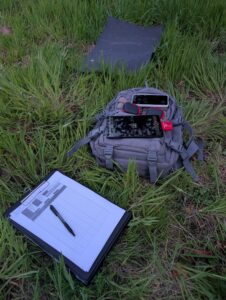
My most memorable site visit was a PEA with a consultant Ecologist in the team. I can’t imagine he would say he enjoyed that survey; it was quite a big site, took us all day, and it rained. But, it was my first PEA and I was quite nervous, but I ended up learning a lot from them. He showed me how the habitats are mapped on Coreo, what we are looking out for and took time to quiz me on my plant ID skills throughout. What was probably not the most enjoyable survey for an experienced ecologist became my most memorable one, as it made me feel more comfortable in the team and was a big learning experience for me.
Which skills have you developed most during your first survey season?
My QGIS skills were something I knew I wanted to develop, but I was not sure where to start. I think this is the skill I have developed most so far, and one of the skills I was most eager to learn.
How have other members of the team supported your learning and development?
All of the team are eager to help out when needed and I feel comfortable asking anyone for help. I have been on a few PRAs with the more experienced ecologists in the team and they are always happy to answer any questions and curiosities I have about how the surveys work. I definitely feel like being part of this team has helped me progress during this season.
What has surprised you most about working in ecological consultancy?
I knew what to expect from the surveys but I did not know what the office work would entail, and I enjoyed writing the reports a lot more than I anticipated. I was very glad I got to learn how to write a range of report types as well!
What have you enjoyed most about working at Elton Ecology?
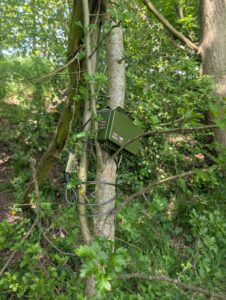
My favourite surveys to carry out are the PRAs. It is interesting to learn about how small things you wouldn’t normally notice are very important when observing bat access points. They also gave me good opportunities to talk to members of the team and get to know them and the anecdotes they have from working with Elton Ecology, which is always fun to hear.
What has been the most challenging part, and how did you overcome it?
Originally, joining the company straight after university was very hard. I had experience in surveys, but it is completely different as a career. I felt like I had a lot to learn and was nervous I would not be able to keep up. Through asking questions and observing how the team worked, I felt a lot better about my place here, and I definitely feel a lot more experienced now than I did when I joined.
What would you say to somebody considering their first seasonal ecology position?
I would say that asking questions and observing how the other ecologists work is the most valuable thing you can do. I definitely think learning hands-on is the quickest way to learn, and talking to the ecologists gave me a lot of insight into the role and a future career in ecology.
What would you like to learn or achieve next?
I would like to improve my plant ID skills next. I am slowly improving with the PEAs I have completed and the PEA reports I have written, but this is the next skill I am eager to learn.